
From Mistrust to Empowerment: How Historical Medical Racism Drove Black Women Toward Midwifery and Home Births
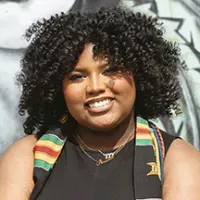
First place winner of the Synapse Storytelling Contest Non Fiction category.
America: a country that brags about its technology and medical advancements all the while allowing Black mothers to die. Black women are three to four times more likely to die from pregnancy-related complications than White women. The unfortunate truth is that these deaths are in no way related to how we, as Black women, are genetically “wired differently” or some other ridiculous reason that the medical masses want us to believe.
The truth is, Black mothers are dying because the system was never designed to protect them. From the hospital bed to the exam room, the pain of a Black woman is minimized, her symptoms are ignored, and her life is disregarded. The distrust between Black communities and the medical system is deep, generational, and justified.
And now, many Black women are reclaiming their births—turning away from institutions that have failed them and seeking care rooted in autonomy, tradition, and trust; instead, many of us are placing our trust in midwives and home births as a safer, more culturally affirming alternative to the disgusting hospital “care” that we were once subjected to.
To understand why Black women are choosing midwives and home births, it is first important to understand the violence that shaped our relationship with medicine. Unfortunately, this country has a long, bloodstained history of using Black bodies as test subjects—or seemingly lab rats—in the name of “scientific advancement.”
1932 marked the beginning of the Tuskegee Syphilis Study, originally called the Tuskegee Study of Untreated Syphilis in the Negro Male. This inhumane study was meant to explore the history of untreated syphilis. 600 Black men (301 with late-latent syphilis and 299 without the disease) who did not give their informed consent were participants. To make matters worse, even after the mid-1940s (when treatment for syphilis became widely available) these men were still not given treatment; this “study” lasted until 1972. For forty years, Black men were forced to suffer and die in the name of research.
James Marion Sims, often called the “father of gynecology” earned his title by “develop[ing] several innovative surgical techniques and instruments that revolutionized the treatment of gynecological conditions.” While his contributions seem praiseworthy—especially since he is credited with inventing the speculum, an instrument that today offers women little more than a cold, clinical discomfort—his so-called innovations were built on the pain of enslaved Black women. Sims used their bodies as test sites, performing repeated procedures without consent and without anesthesia, under the belief that Black women didn’t feel pain the way White women did.
While the 1920s are often remembered as a victory for White women in their fight for suffrage, that same era marks a legacy of suffering for Black women—one that left many of them forcibly sterilized and robbed of the chance to have children. “Mississippi appendectomies” is a slang term for forced sterilizations that were performed on poor, southern Black women through either a hysterectomy or tubal ligation.
This monstrosity was a part of a larger eugenics movement, seeking to prevent “undesirables” from reproducing. Many of these procedures were carried out under the guise of routine care. Fannie Lou Hamer endured this horror firsthand; she went in to have a tumor removed and left not only without cancer but without her reproductive organs, stripped of the ability to have children.
These aren’t just historical footnotes; they’re part of a pattern, a blueprint of disregard that still shapes how Black women are treated today. Fast forward to the present, and we still aren’t safe in hospitals. Despite what history might suggest, being rich and Black isn’t much different from being poor and Black in this place we call America. Serena Williams, one of the wealthiest and most powerful athletes in the world, had to beg her care team to take her postpartum symptoms seriously.
If even someone with Serena’s access—someone who can afford the best doctors, the most specialized care team—still has to fight to be heard, what hope is there for the rest of us? Her story proves what too many of us already know: no matter how much money you have or how carefully you advocate, it’s still not enough for us to be seen.
Part of this invisibility comes from the fact that we are expected to be strong. To push through pain. To stay quiet and survive. The stereotype of the “strong Black woman” (resilient, self-sacrificing, unbreakable) has been weaponized for generations. It’s used to dismiss our symptoms, downplay our suffering, and justify neglect. But that label isn’t a compliment. It’s a burden. And strength should never be mistaken for invincibility because that expectation isn’t just dehumanizing. It’s deadly.
Studies show over 80% of maternal deaths are preventable. And yet, Black women are disproportionately affected because our voices are still not believed. The ghosts of medical racism haunt today’s exam rooms, and even as we scream and cry out in harmony with them—desperate to be heard—the system still overlooks us. Our pain is collective, historical, and ongoing. If left to the system, history would keep replaying itself. And that refusal to listen is exactly what has fueled a powerful shift.
Black women are refusing to wait for change—rightfully so; we’re reclaiming our care by returning to a tradition we’ve always known: midwifery. Long before modern obstetrics took over, Black grand midwives were the ones delivering babies across the South; they were trusted, respected, and deeply rooted in their communities.
Now, modern Black midwives and doulas are reclaiming that legacy, offering care that not only centers the pregnancy but the whole woman and what she wants her experience to be. Home births are rising, not because Black women are opting out, but because we’re opting in—to safety, to cultural care, to being seen and heard. This shift isn’t just medical. It’s political. It’s ancestral. It’s a refusal to keep dying in systems that refuse to change.
After facing dismissal and neglect from her OB-GYN—someone who laughed at her concerns and downplayed her needs—Elaine Welteroth chose to opt in, just like so many other Black women. She walked away from the traditional medical system and chose a home birth with a Black midwifery team. That experience wasn’t just healing—it was revolutionary.
For the first time, she felt seen, heard, and held. It was so transformative that she launched BirthFund, a financial resource created to help other Black women access the same kind of affirming, culturally competent midwifery care that saved her from what could have been a traumatic birth.
And Black women across the country are responding, turning to BirthFund to reclaim our power and protect our pregnancies outside a system that continues to fail us. Stories like Elaine’s aren’t rare; they’re just rarely told. And in these narratives, we don’t just see pain. We see power. We see resistance. We see a blueprint for a different future: one that’s being built for us, by us.
Unfortunately, not every Black woman has the resources to opt in. Midwifery care is expensive, and even with support from resources like BirthFund, it’s often still out of reach, especially when insurance companies either refuse to bear the burden or offer coverage so limited and restrictive that it hardly makes a difference. While some midwives, particularly Certified Nurse-Midwives, are covered by insurance, many others are not, especially those attending home births or working independently. Doulas are rarely covered at all. In some states, midwifery is heavily restricted or even criminalized, making access not just unaffordable but legally complicated.
Without structural change, midwifery will remain a privilege instead of a right. Reform must happen on two fronts: hospitals must confront their anti-Blackness, and community-based care must be funded, legalized, and protected. Without both, Black women are left to carry the ongoing pain of being abandoned by a system that was built on our backs.
It’s no coincidence that insurance companies haven’t changed their tune. Midwifery is still widely dismissed as a trend—something reserved for bougie women with scented candles and birthing tubs. A lifestyle choice, not a necessity. An optional luxury for women who just don’t want to give birth in hospitals. And because the people making those decisions—most of whom have never had to question whether their pain will be believed—don’t see midwifery as essential, the issue rarely even makes it to the table. When your rights are already protected, this kind of care doesn’t feel urgent.
We aren’t turning to midwifery because it’s trendy. It’s not about scented candles or spending extra money. It’s not about rejecting hospitals just to be different. It’s about survival—or at least, the fear that survival might not be guaranteed, as history has shown time and time again. It’s the difference between families bracing for the worst and mourning lives that should have been protected, or celebrating a safe, healthy beginning.
For us, this shift toward home birth and midwifery is not just a critique of medicine. It’s a demand for justice. A refusal to let the past repeat itself. It’s how we reclaim what was stolen. It’s how we choose to birth in peace, not in fear. And if the system won’t change for us, then we will change how we move through it.
Haven’t we always been expected to navigate a system that gains everything from our suffering and pain, but continues to fail us and leave us with nothing? Isn’t that what survival has always looked like for America’s “strong” Black women?


