
Photo by Elina Puruncajas (mother).
Family Separation: The Thief of Joy
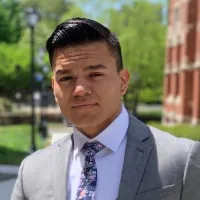
I was only four years old when I first learned the word “deportation.” It was a constant topic in our home, always revolving around the safety of my family and me. Fueled by fear and a fleeting sense of hope, my father made the decision to take my sisters and me back to our country. My mom decided to overstay her visa to give our family a fighting chance. A decision that would change the trajectory of my life forever.
Shortly after our return to Ecuador, my father became a victim of the very violence we had initially escaped, and he passed away. My mother was forced to stay in the U.S. on her own and became our sole provider. Being away from her children was a “living a nightmare,” but she had no other choice. For our family, it was a matter of survival.
We took the path that is politically labeled as “legal” and applied for residency status. We were rejected multiple times and spent thousands of dollars on applications, lawyers, and DNA tests (yes, we had to prove that we were biologically related to achieve reunification). After almost ten years, we were finally granted legal status, and I was reunited with my mom. Someone I had no clear recollection of except for the sound of her voice, during a time when FaceTime didn’t exist and phone booths were the only way to connect with loved ones abroad.
This is the reality for many families who experience separation and are told to take the “legal route” for reunification under both current and prior administrations. Telling this story has taken me a long time. It is difficult enough to write it, but reliving those days as I watch children like Liam and families like mine being targeted has brought back a pain I never expected to feel again. The impact of family separation is often minimized for society’s comfort, or to lessen our sense of responsibility and ease the moral injury of what we, as a community, have tolerated for so many years.
As medical professionals, it is important that we educate ourselves and others about the long-standing impact that early adverse experiences, such as traumatic family separation, have on our youth’s mental health. The American Psychiatric Association opposes the separation of children from their parents, calling these practices “inhumane, counterproductive, and threatening to short- and long-term outcomes.” Research shows that children separated from their families have higher rates of PTSD, anxiety, and depression, as well as delays in cognitive and emotional development.
Today, I received the news that I matched into urology, becoming the first person in my family to become a doctor and joining the 6% of Hispanic/Latinx physicians in the U.S. workforce. I want to feel happy and celebrate my accomplishment. However, I find it very difficult to feel joy or optimism. I feel angry and hopeless. At times, I feel envious of those who can celebrate their success without thinking about the struggles of people who lack even the safety or opportunity to leave their homes in search of education or work.
I know better days are ahead, and I will celebrate with my loved ones once we all feel safe. Now more than ever, it is important that I stand with my community and reaffirm my commitment to being an active ally in my profession, to serve those in need and to shield my values in a medical field that often claims to be apolitical while denying the basic human right to healthcare to thousands of families based on social status.
If humanity alone does not call us to action, then let our moral and professional responsibility to health drive us to advocate for families facing harm at the hands of unjust immigration policies.


