
Finding Family Medicine in the Valley: Expanding My Understanding of Primary Care
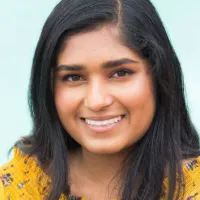
On February 23, the Family Medicine Interest Group hosted Family Medicine in the Valley, a lunchtime panel that brought three Central Valley physicians to UCSF for an honest and wide-ranging conversation about primary care in one of the most medically underserved regions of California. The event featured Dr. Apurva Parmar of Kaiser Permanente Modesto, Dr. Sireesha Reddy, and Dr. Roxana Cabrera Brown of Community Medical Centers.
I arrived expecting a standard career talk. Instead, I found a discussion that challenged many of my assumptions about what family medicine looks like in the Valley and what a fulfilling, community-centered practice can offer. The physicians spoke with generosity and clarity about their day to day work, their patients, their career paths, and the deeply human side of their specialty.
Learning a New Landscape
Before this event, the San Joaquin Valley felt distant from my own upbringing in suburban and urban spaces. I had not fully understood the history or the structural challenges that shape health care in the region. This panel changed that.
Dr. Reddy described the Valley as a place of incredible diversity, where physicians see patients from many different cultural backgrounds and a wide range of ages. She emphasized that you are constantly adapting and that the region reveals unique disease patterns that reflect environmental and socioeconomic factors. She completed residency in the Valley and chose to stay, which spoke volumes about the meaning she finds in this work.
Dr. Cabrera Brown offered insight into her practice at an FQHC in Stockton. She serves many migrant workers whose health care needs shift as they move with the seasons. Something as simple as choosing a medication requires thoughtful consideration of a patient’s mobility and access. Her reminder to treat patients within the realities of their circumstances stayed with me.
Dr. Parmar spoke passionately about long-term relationships with families and the privilege of seeing illness unfold over time. He called family medicine detective work and highlighted the holistic nature of the field. Physicians can incorporate procedures, obstetrics, pediatrics, mental health care, and chronic disease management depending on their interests.
Reality-Based Medicine
The panelists did not shy away from describing the challenges of practicing in high-need settings. Dr. Reddy shared the story of a patient experiencing homelessness with an A1C of 15 and asked how a physician prescribes insulin for someone without refrigeration or stable housing. Her honesty grounded the discussion in the complexities of delivering care that is clinically sound and responsive to lived experience.
Dr. Parmar expanded on this by describing the practice of reality-based medicine. Guideline-driven care matters, but physicians often have to identify what is realistic for a patient today. He called this shrinking the change. This framing resonated with me, especially given my work in community birth equity where small, meaningful steps can make the largest difference.
Sustaining Balance and Purpose
Burnout and work life balance were major themes. Dr. Cabrera Brown’s schedule allows her long weekends with her children, and she noted that a lower cost of living makes family life more manageable. Dr. Reddy encouraged us to invest in hobbies and community as forms of protective grounding. Dr. Parmar shared his own experience with burnout and how reconnecting with patients and incorporating home visits brought him back to a sense of meaning. He keeps photos of his family in his office, which helps build connection and reminds him of the humanity at the center of his practice.
Students also asked about procedural opportunities and career flexibility. The physicians listed a broad range of procedures they perform, including skin surgery, gynecologic care, IUD insertions, joint injections, and toenail removals. Fellowships in maternal and child health, sports medicine, geriatrics, sleep medicine, and other fields remain accessible without limiting future practice options. The field adapts to the physician’s needs at different stages of life.
A Second Perspective: Jackie’s Reflection
My classmate Jackie shared that the session was both enlightening and deeply affirming of her growing interest in family medicine. She appreciated how Dr. Parmar described the privilege of caring for multiple generations within the same family and how patient stories and relationships often precede the science. This framing grounded family medicine in connection rather than organ systems. Her reflections echoed what many of us felt as we listened. Family medicine is vast, flexible, and grounded in deep human connection.
What I Am Taking With Me
As someone who cares deeply about primary care, community health, and building a life that includes family, this session changed the way I view the San Joaquin Valley. I realized that it is not simply a geographic region. It is a place where long-term relationships, community embeddedness, and flexible, reality-based care come together in powerful ways.
I walked into the event without imagining myself practicing in the Valley. I walked out knowing that I would seriously consider it.
Family Medicine in the Valley was more than a panel. It was a reminder of the kind of physician I hope to become. Someone who listens first. Someone who adapts. Someone who partners with patients and families over time. Someone who believes that primary care is a place where meaningful change happens, one relationship at a time.


